

Your list is pretty good, I have shortened or changed a few items below:
1) Water wash is optional, not totally necessary, up to you.
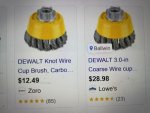
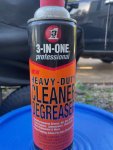
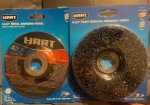
2) You can skip the chemical solvent step and combine rust and paint removal to one operation by using the wire brush wheel. It doesn't have to be meticulously clean. Just pretty clean.
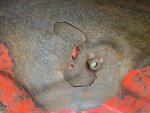
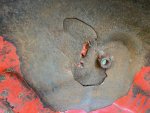
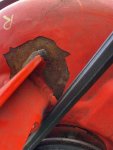
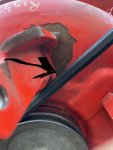
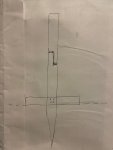
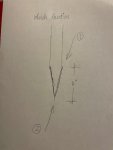
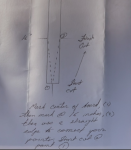
3) Close gap w/ hammer or tool of choice. When you do this make sure the upright part that attaches to the tractor stays straight up and down (don't knock it over when trying to close the gap, essentially)
4) Have it welded. Any decent welder ought to have the courtesy to take a minute with a grinder to clean up his work but anyhow ascetics are not the goal here.
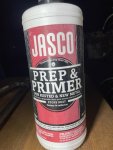
5) Prime/ paint after metal cools down.